
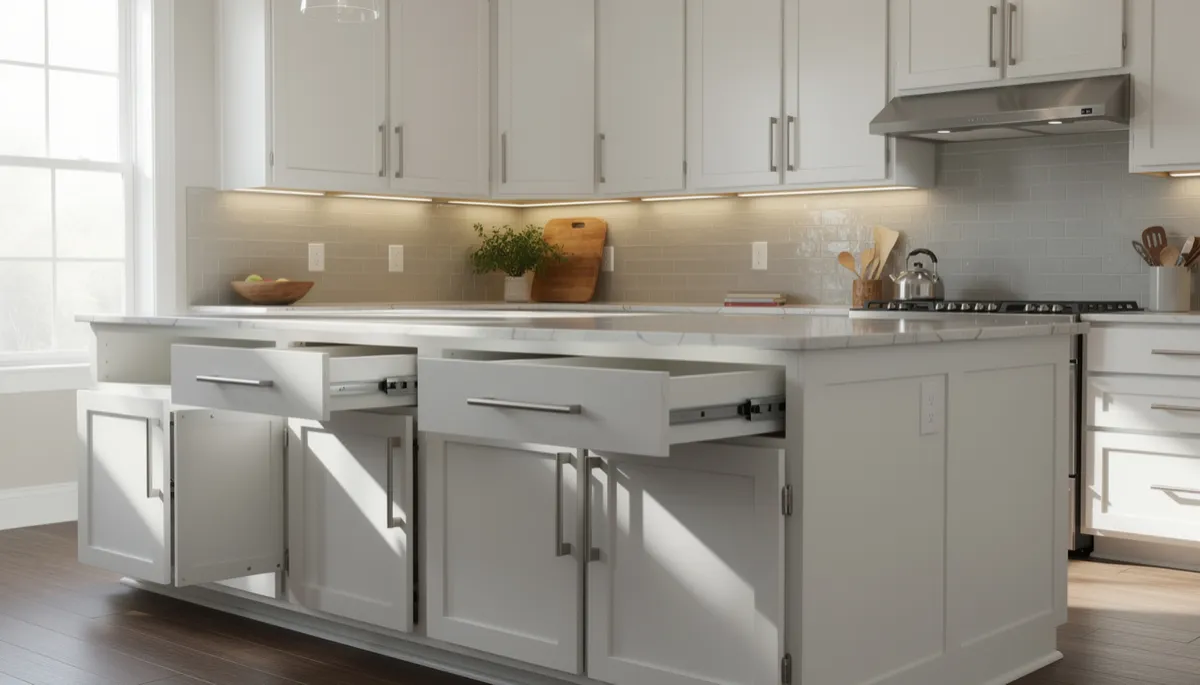
How to Choose Durable Cabinet Hardware for Your Kitchen
Cabinet hardware might seem like a small detail, but it takes a daily beating—especially in busy kitchens around Apex, NC. If you’re replacing your cabinet pulls, knobs, or hinges, choosing the right hardware can make a big difference in both how your kitchen looks and how long it lasts. Here’s what to consider when selecting durable cabinet hardware for your home.
What materials stand up best to daily use?
Not all cabinet hardware is created equal. The material you choose will affect how well your pulls, knobs, and hinges hold up to years of opening and closing.
- Solid brass: Brass is corrosion-resistant and ages well. Over time, it develops a natural patina, but it won’t rust like cheap steel.
- Stainless steel: Stainless is tough, resists fingerprints, and stands up to moisture—ideal for kitchens with lots of cooking and cleaning.
- Zinc alloy: Zinc is budget-friendly and can mimic more expensive finishes, but it’s not as tough as brass or stainless.
- Bronze: Oil-rubbed and solid bronze are extremely durable, though the finish may change over years of use.
If you’re unsure, talk to a pro about cabinet hardware replacement for guidance on what’s best for your kitchen’s environment and your style.
How do different finishes affect durability?
The finish on your hardware isn’t just about looks—it also affects how well it holds up. Here’s a breakdown:
- Brushed or satin finishes: These hide fingerprints and minor scratches, so they look newer longer.
- Polished finishes: Polished chrome or brass shines but shows smudges and scratches more easily.
- Powder-coated finishes: Powder coating adds a durable, protective layer that resists chipping and corrosion, good for high-traffic kitchens.
- Living finishes: Some finishes (like unlacquered brass or bronze) are meant to age and develop character, but they’re still sturdy choices.
If you’re planning a kitchen redooring project, think about how the finish will age alongside your cabinets.
What should I look for in soft-close hinges and slides?
Soft-close hinges and drawer slides make a big difference in daily comfort and help protect your cabinets from slamming. For durability, look for:
- Metal construction: Avoid plastic parts where possible. All-metal soft-close mechanisms are more robust.
- Ball-bearing slides: For drawers, full-extension ball-bearing slides glide smoothly and last longer than roller slides.
- Adjustability: Good soft-close hinges allow for fine-tuning, so your doors stay aligned even as the cabinets settle.
Professional soft-close hinge installation ensures you get the benefit of quiet, long-lasting operation.
How can I match hardware to my cabinets and kitchen style?
Durability matters, but so does appearance. The right hardware should complement your cabinet color, style, and the overall look of your kitchen.
- Traditional kitchens: Consider classic knobs or cup pulls in brass or bronze for warmth.
- Modern kitchens: Sleek bar pulls or finger pulls in stainless or matte black work well.
- Transitional kitchens: Mix simple shapes with soft finishes like brushed nickel or pewter.
If you’re unsure, many homeowners in Apex choose hardware samples and hold them up to their cabinet doors before committing. This helps you see how the finish looks in your natural light and with your cabinet color.
Are there installation tips to make hardware last longer?
Even the toughest hardware can fail if it’s not installed properly. Here’s what to keep in mind:
- Use the right screws: Make sure the screws fit snugly but don’t overtighten, as this can strip the hole or crack the cabinet face.
- Drill pilot holes: Always pre-drill to avoid splitting wood, especially in solid wood or painted cabinets.
- Check alignment: Use a template or jig to keep handles and knobs level and consistent across all doors and drawers.
- Consider reinforcement: On heavy or oversized doors, back up the screws with washers or use longer bolts for better support.
Professional installation can save headaches and help your hardware last as long as your cabinets.
How often should hardware be replaced?
Most quality hardware should last many years, but there are signs it’s time to replace:
- Handles or knobs feel loose or can’t be tightened
- The finish is worn or corroded
- Hinges creak, sag, or don’t close properly
- Soft-close mechanisms stop working or feel sticky
If you’re upgrading your kitchen, new hardware is a simple way to freshen the space without a full remodel. Consider it if your cabinets are still in good shape but your hardware is showing its age.
Frequently Asked Questions
Does cabinet hardware need to match my appliances?
No, but it can if you want a coordinated look. Many kitchens mix finishes—like black hardware with stainless appliances—for visual interest. Choose what feels right for your space.
Is it worth buying solid metal hardware instead of plated?
Solid metal hardware is typically more durable. Plated hardware can wear over time, especially in high-use areas. If budget allows, go for solid brass or stainless for longevity.
How do I clean and maintain cabinet hardware?
Use a soft, damp cloth for regular cleaning. Avoid harsh chemicals or abrasive pads, which can damage the finish. For stubborn spots, mild soap and water work well. Dry thoroughly afterward.
Can I reuse the holes from my old hardware?
Often, yes—especially if you’re swapping handles for handles or knobs for knobs. If your new hardware has a different hole spacing, you may need to fill and drill new holes for a clean look.
Ready to upgrade your kitchen hardware or need help choosing the best options for your home in Apex, NC? Reach out to Cabinet Theory for honest advice and quality installation. Our team will help you find hardware that looks great and stands up to years of daily use.